
When it comes to heart disease, early detection truly saves lives. Recognizing symptoms like chest pain, shortness of breath, or unusual fatigue and getting timely diagnostic tests—such as Coronary Angiography (CAG)—can help identify blockages before they lead to serious complications like a heart attack. With early diagnosis, treatment options such as balloon angioplasty (PTCA) can be performed quickly and effectively, restoring normal blood flow and preventing long-term heart damage. Regular heart check-ups, healthy lifestyle habits, and prompt medical attention are the best ways to protect your heart—because detecting problems early is always easier and safer than treating them late.
Book an Appointment
Dr. Arvind Singhal
Dr. Arvind Singhal is a highly experienced Interventional Cardiologist with over 15 years of expertise in performing complex coronary procedures.
Detect Early, Treat Timely, Live Heart-Healthy!

Dr. Arvind Singhal
FESC, FSCAI, DNB(Cardiology) , MD (Medicine) , MBBS
Sr. Consultant - Cardiology
Dr. Arvind Singhal is a highly experienced and accomplished Senior Interventional Cardiologist at Metro Heart Institute with Multispeciality, Faridabad, with over 15 years of expertise in managing complex heart conditions. He has successfully performed more than 8,000 coronary angiographies (CAG) and 4,000 percutaneous coronary angioplasties (PTCA), demonstrating exceptional skill in both femoral and radial access procedures.
He completed his MBBS from S.M.S. Medical College, Jaipur, MD (Medicine) from G.M.C. Medical College, Bhopal, and DNB (Cardiology) from Indraprastha Apollo Hospital, New Delhi. Dr. Singhal is also a Fellow of the Society for Cardiovascular Angiography & Interventions (FSCAI) and the European Society of Cardiology (FESC), reflecting his advanced international training and commitment to excellence.
Known for his compassionate approach and patient-centered care, Dr. Arvind Singhal focuses on accurate diagnosis, timely intervention, and personalized treatment plans. His dedication to adopting the latest interventional techniques ensures high-quality outcomes for patients dealing with coronary artery disease and other cardiac disorders.
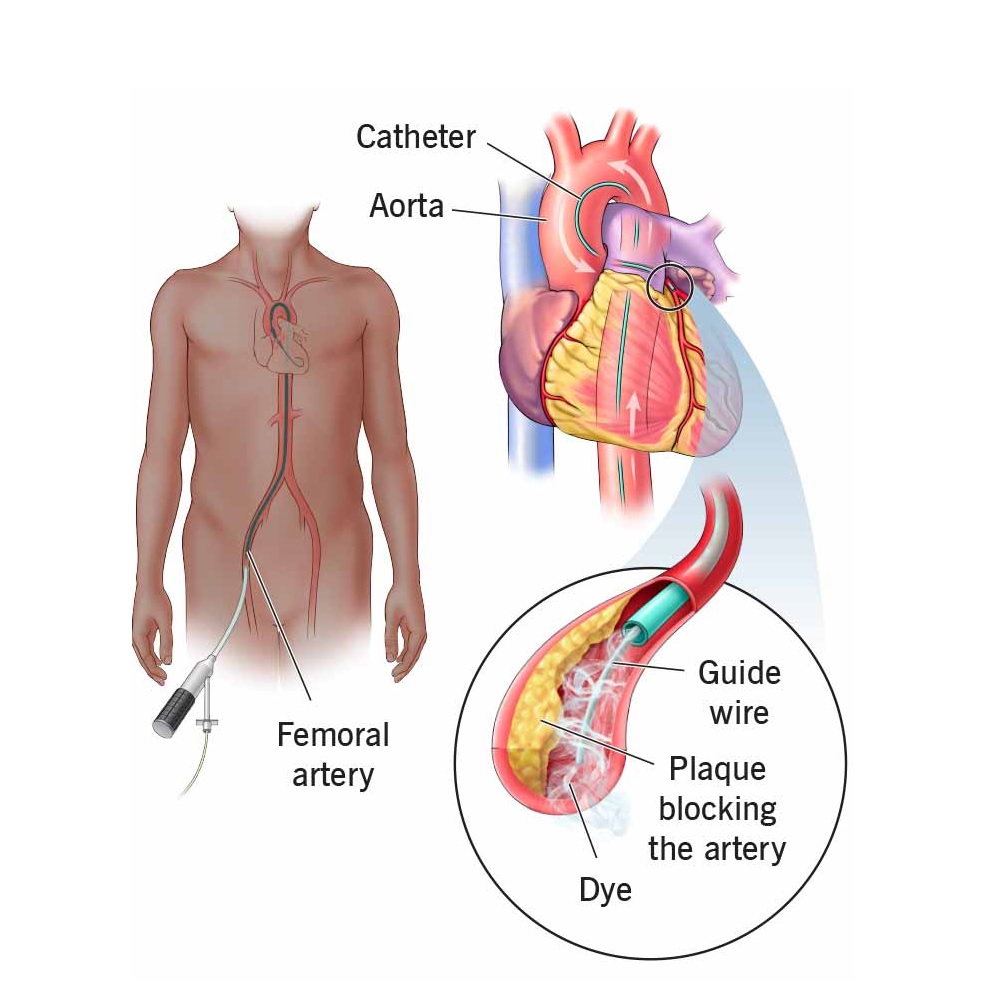
Coronary Angiography (CAG)
Coronary Angiography (CAG) is a diagnostic procedure used to check for blockages or narrowing in the heart’s arteries. During this test, a special dye (contrast) is injected through a thin tube called a catheter, which is inserted into a blood vessel in the arm or groin and guided to the heart. X-ray imaging then shows detailed pictures of the coronary arteries, helping doctors identify areas where blood flow is restricted. It’s a quick, safe, and highly accurate test that helps determine the next steps for treatment, such as medication or angioplasty.
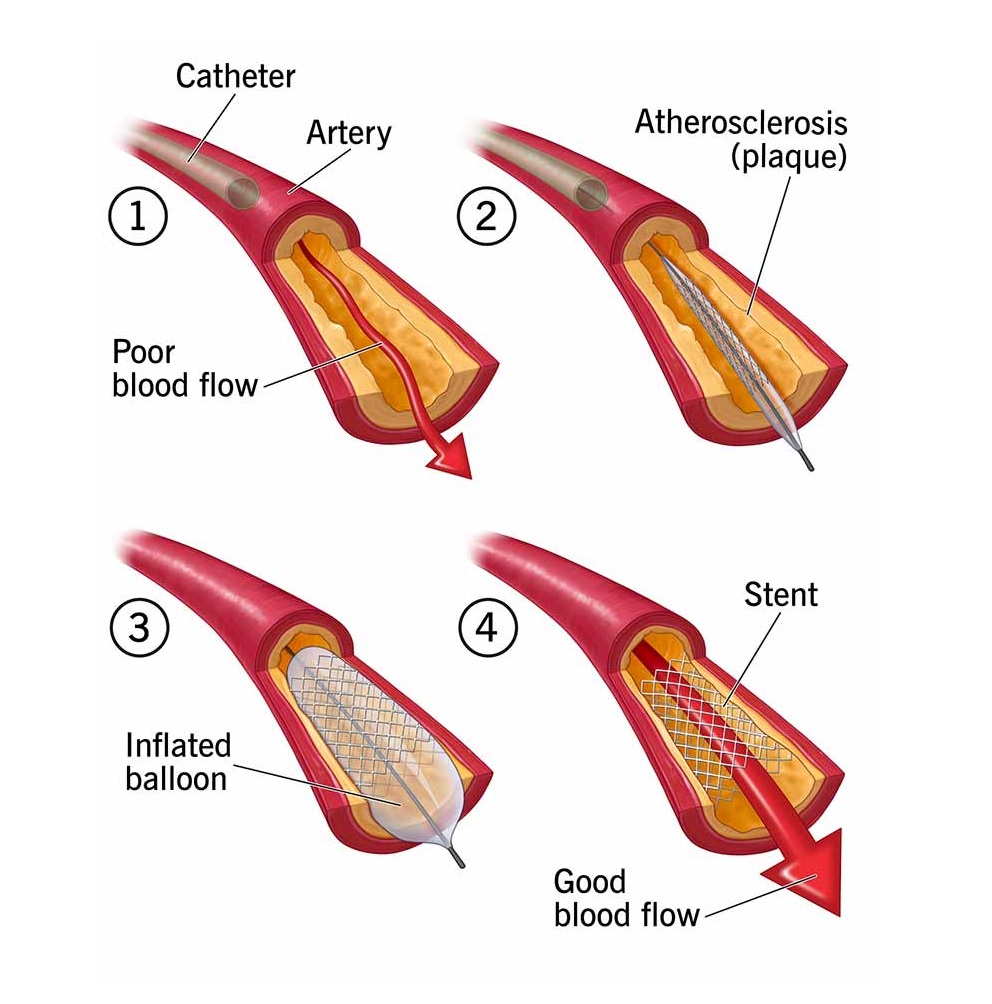
Coronary Angioplasty (PTCA)
PTCA, also known as balloon angioplasty or balloonisation, is a minimally invasive treatment to open blocked or narrowed coronary arteries. A tiny balloon attached to a catheter is guided to the site of the blockage and gently inflated to widen the artery, improving blood flow to the heart. In most cases, a stent (a small metal mesh tube) is placed to keep the artery open permanently. This procedure provides immediate relief from chest pain, restores normal heart function, and allows patients to recover quickly with minimal discomfort.
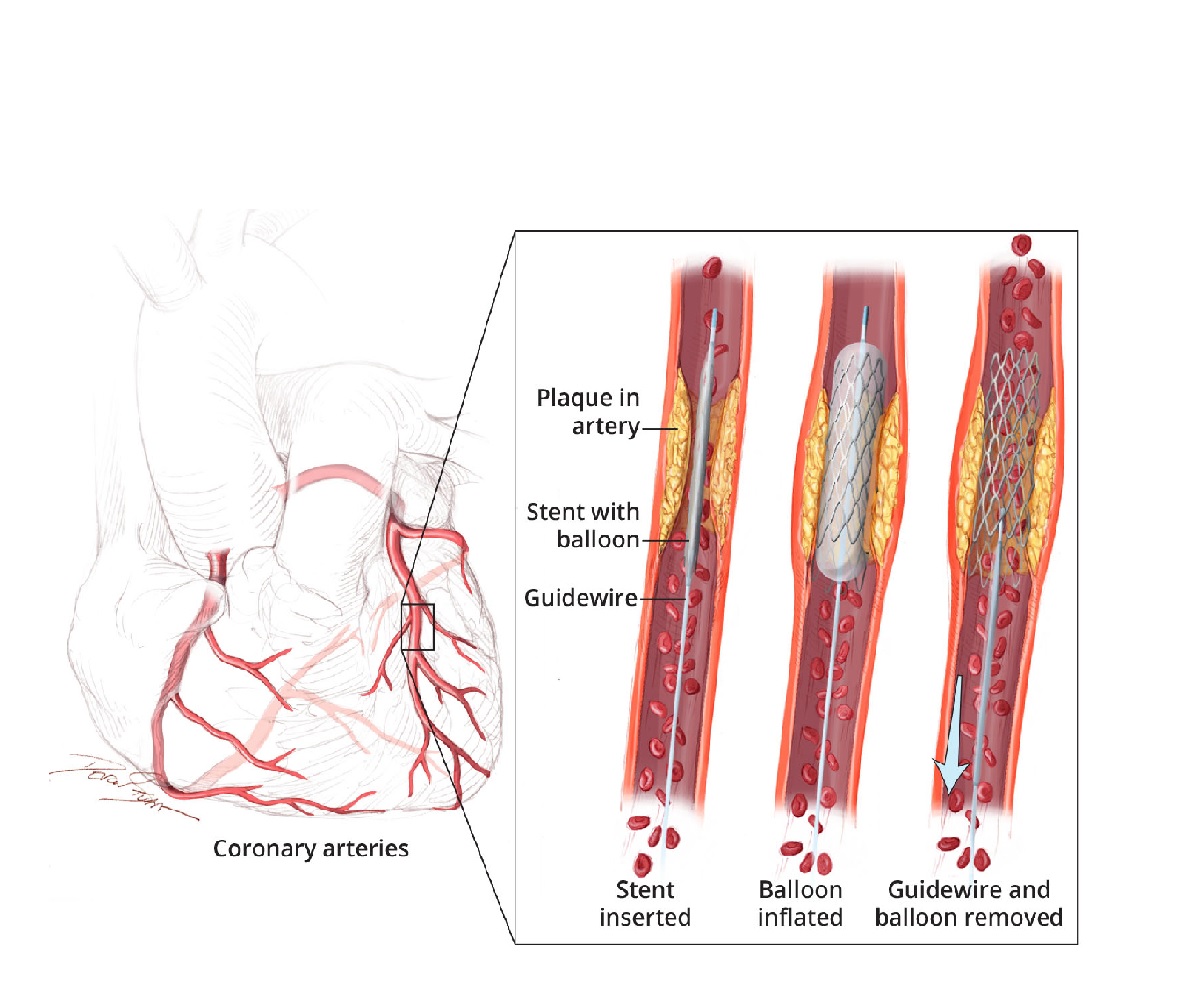
Stent Placement
After an angioplasty, a small mesh tube (stent) is often placed to keep the artery open and prevent it from closing again.
Stents can be drug-eluting (coated with medication) to reduce the risk of re-narrowing.
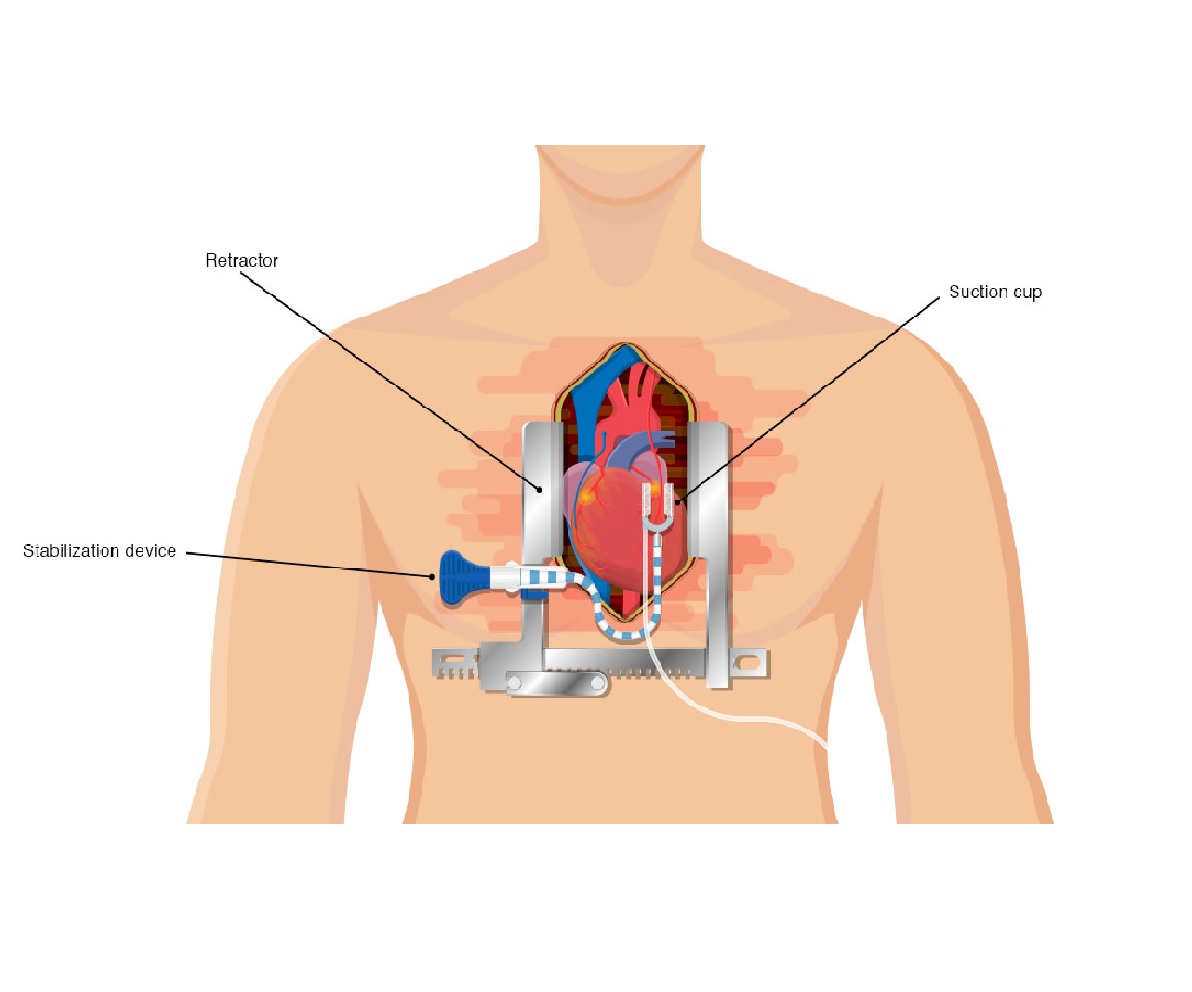
Coronary Artery Bypass Grafting (CABG)
While typically performed by cardiac surgeons, a cardiologist may be involved in diagnosing the need for this surgery.
It involves bypassing blocked coronary arteries using healthy blood vessels from other parts of the body.
ECHO (Echocardiography)
ECHO (Echocardiography) is a non-invasive diagnostic test that uses high-frequency ultrasound waves to create detailed images of the heart’s structure and function. It helps evaluate heart size, pumping strength, valve function, blood flow, and detects conditions such as heart failure, valve disorders, congenital heart defects, cardiomyopathy, and fluid around the heart. ECHO is an essential tool for early diagnosis and monitoring of heart diseases, allowing timely treatment and prevention of serious cardiac complications. This painless, radiation-free procedure is safe for all age groups, provides real-time results, and plays a crucial role in assessing overall heart health and guiding effective cardiac care.